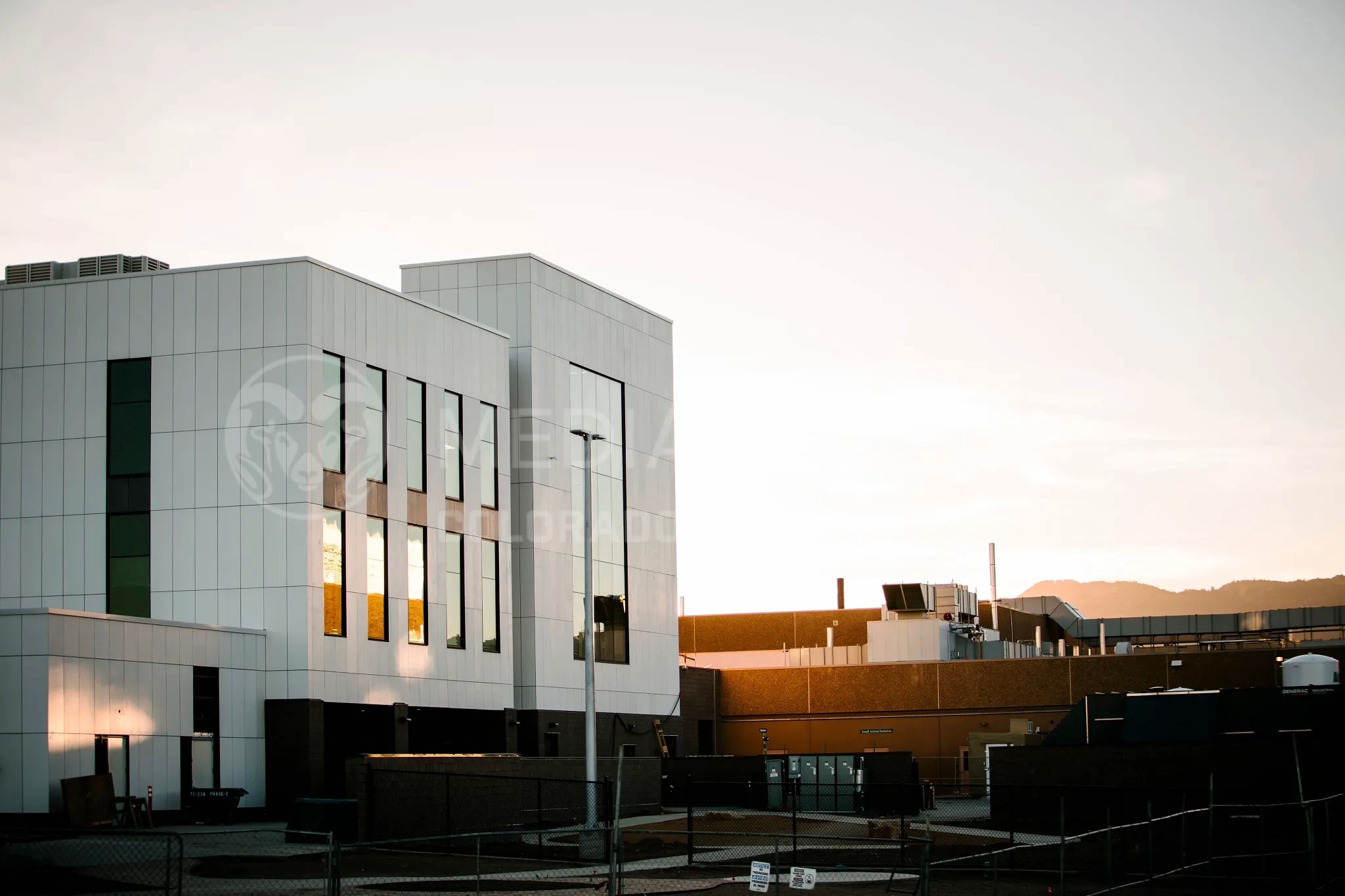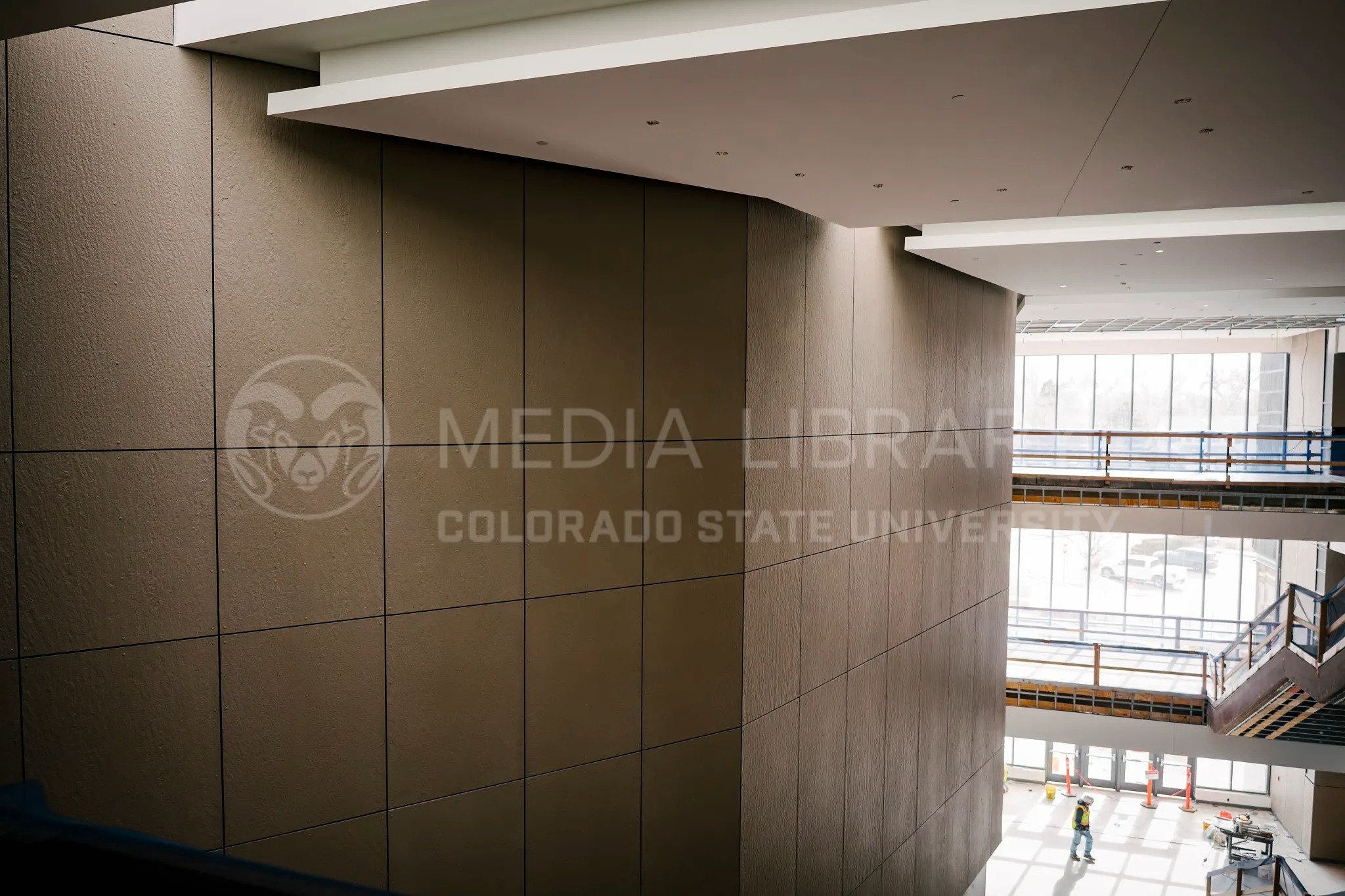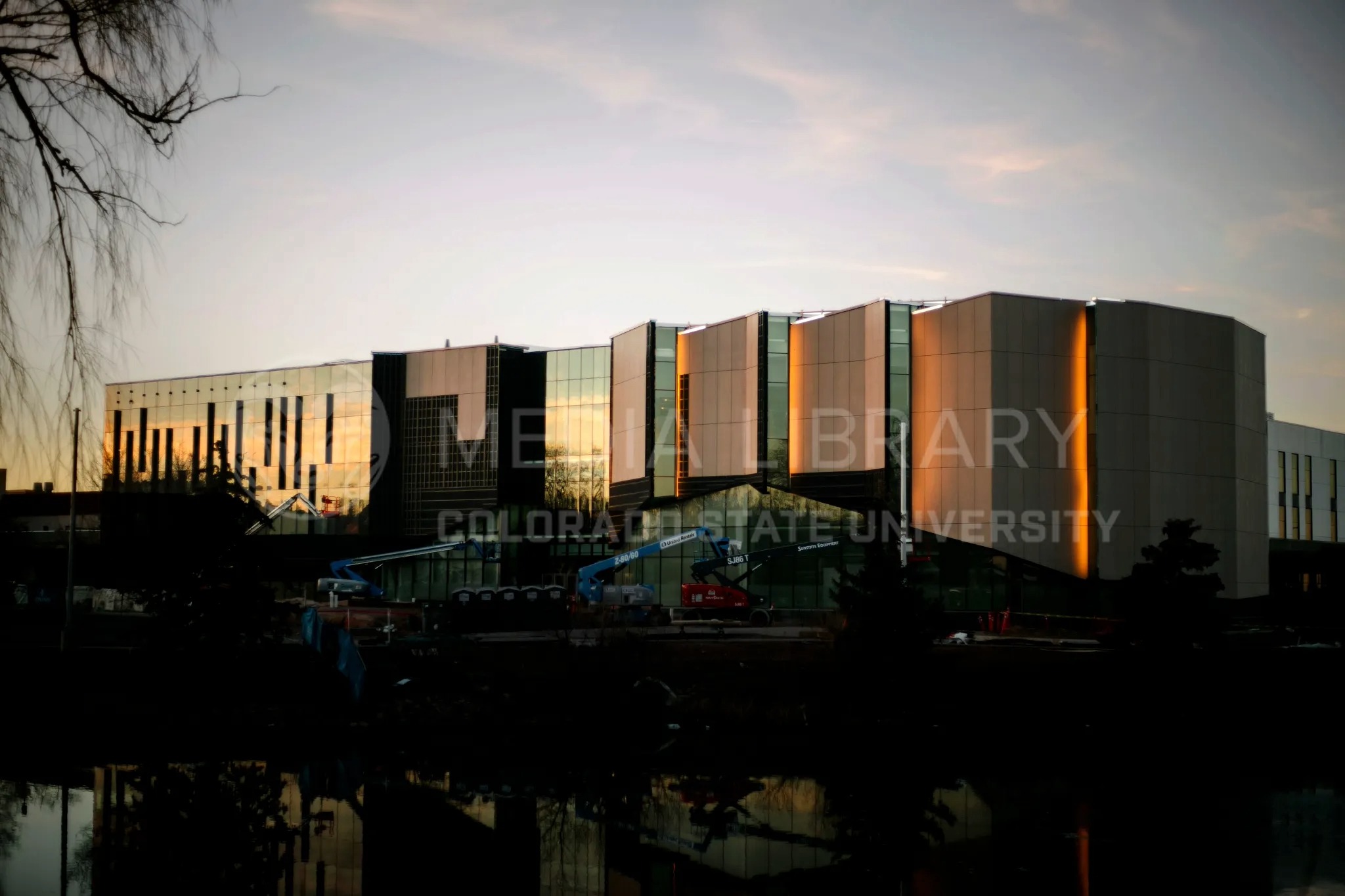
At Colorado State University (CSU), JE Dunn is helping a top-ranked veterinary medicine program transform its educational spaces and curriculum to improve students’ well-being in the program and prepare them for a challenging and rapidly changing industry.
“There’s a pretty significant shortage of veterinarians,” Senior Project Manager Caleb Jones said.
To attract and better serve more students, CSU is updating its educational model to align with its newly renovated spaces. Rather than relying primarily on lecture-based instruction, new spaces will allow and encourage collaborative, group-focused learning. Students will work closely together in small cohorts throughout much of their curriculum, developing close connections and experiencing dynamic learning.
“Instead of being one person out of 170, you’re one person out of six,” Jones said. “You can support each other that way and more effectively grow into a well-rounded practitioner.”
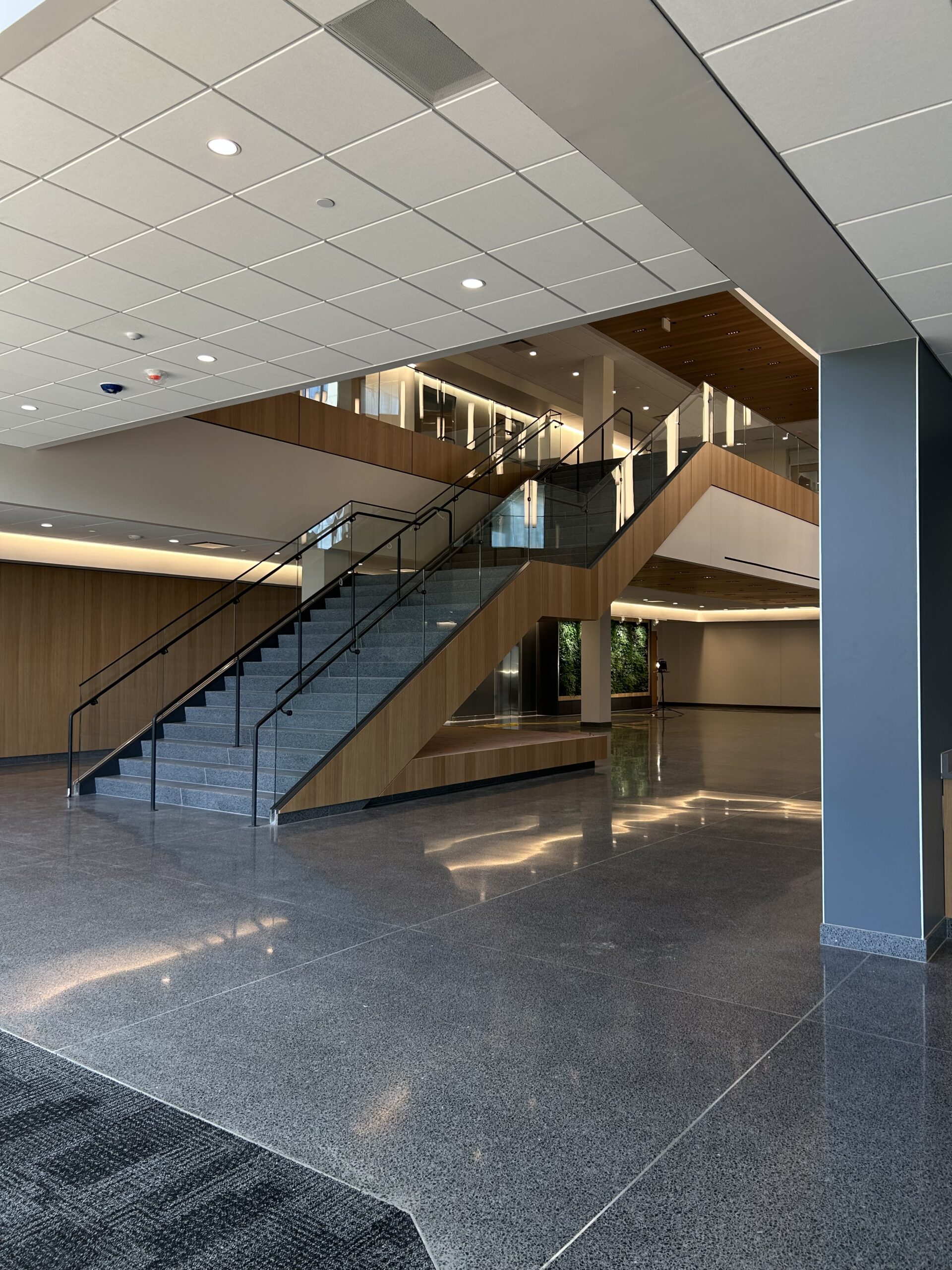
The project is targeting WELL Bronze certification and LEED Gold certification, with a variety of wellness-focused features integrated throughout the building. Amenities include natural lighting, improved ventilation, food service areas, locker rooms, shower spaces, and even napping rooms. In fact, the well-being focus in this building is part of an effort to combat a rising mental health crisis within the industry, which, like construction, has one of the highest rates of suicide.
“We will have a direct impact on that and provide a place where the people being educated can feel more fulfilled as a result of the design considerations and spaces we’re building,” Jones said.
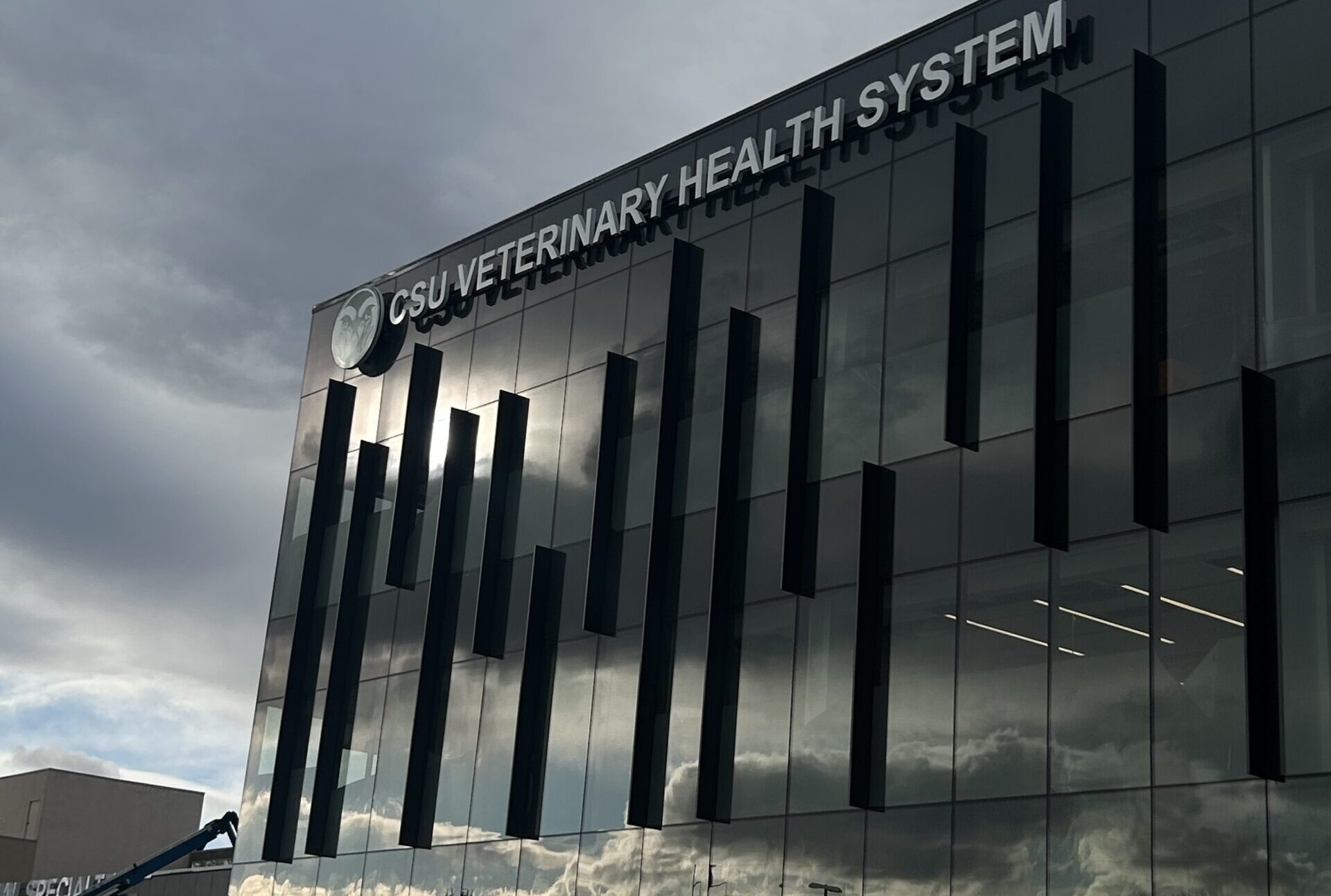
While the multi-phased project is centered around improving the experience for the students and staff, the complexity of the facility itself has created a unique set of construction challenges. The first phase includes a 200,000-square-foot addition to the existing hospital, a separate 15,000-square-foot livestock and large-animal addition, and more — all while the existing veterinary hospital remains fully operational 24 hours a day, seven days a week.
“In a lot of ways, it feels like a human hospital on steroids,” Jones said.
Like a traditional healthcare project, the building requires the same types of ventilation systems, strict utility coordination, and carefully controlled clinical spaces. However, the animal-focused design introduced additional considerations that are less critical in standard hospital construction.
One example came through the project’s flooring systems. The hospital needed flooring and walls that were fully washable, durable enough to withstand heavy traffic, textured enough to prevent animals from slipping, seamless enough to limit microbial buildup, and resilient enough to handle regular cleaning with harsh chemicals.
“They want it to have enough texture that animals aren’t slipping and sliding on it,” Project Engineer Nicole Medrano said. “But if it has too much texture, it’s going to be really hard to clean.”
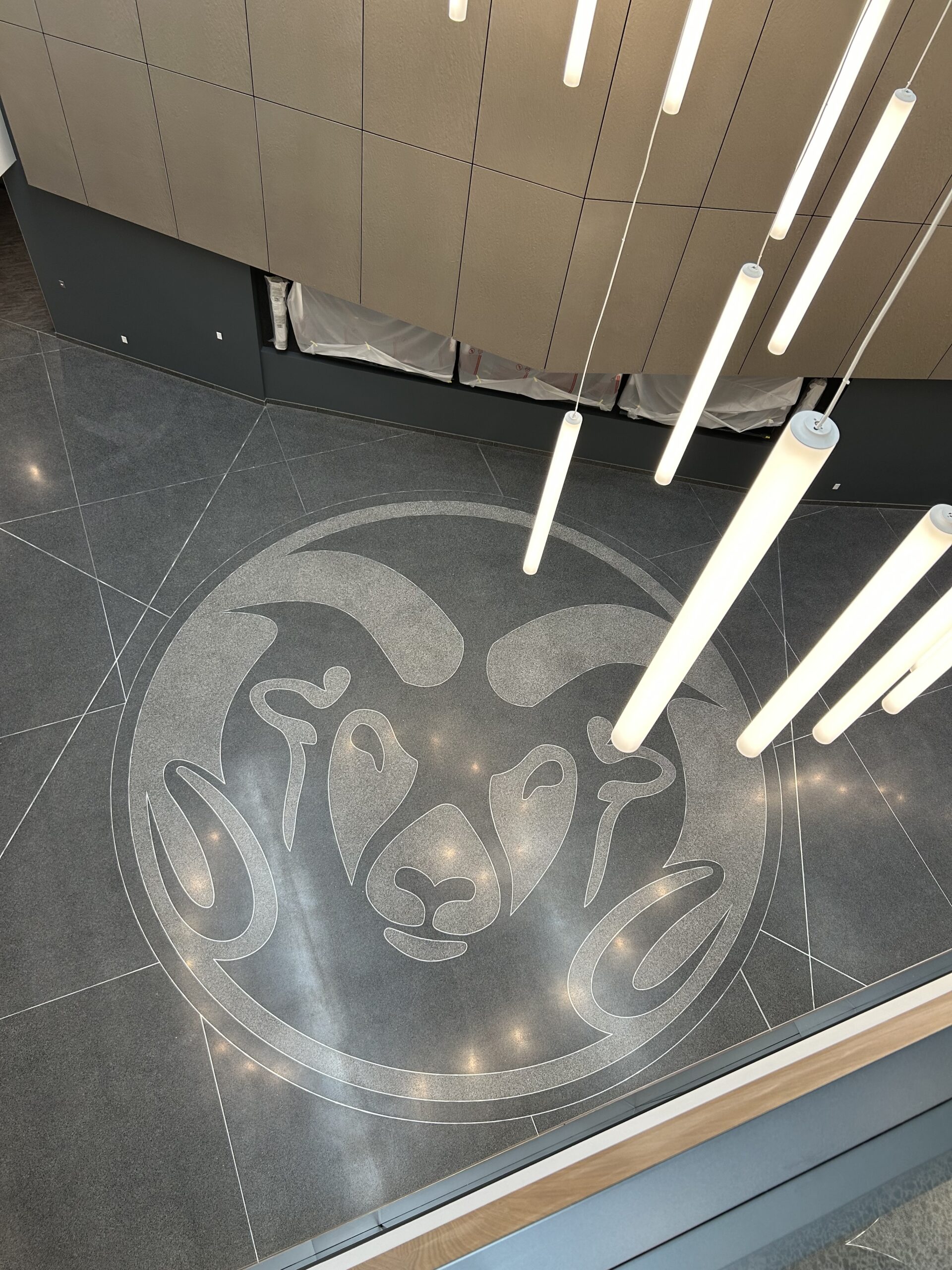
To meet those demands, the team settled on terrazzo flooring throughout major lobby spaces. In the building’s atrium, the terrazzo was arranged in the form of the Colorado State University logo, a visual nod to the campus and school.
“It goes down in one fluid layer that you then grind down, so it doesn’t have very many seams,” Medrano said. “It’ll last forever, and it’s super pretty.”
In clinical spaces, they used a specialized, poured-in-place epoxy flooring system that could be manually textured. This seamless solution provides a sterile, durable surface for all varieties of clinic and lab needs.
Maintaining hospital operations throughout construction has been another major focus for the team. Because it operates around the clock, even minor disruptions require careful coordination with the hospital staff.
“During a three-month period, we worked within an active hospital environment installing large-diameter chilled water piping,” Project Manager Sean Mitchell said. “Without strong coordination, clear communication, and a collaborative partnership with the client, completing the work safely and efficiently would not have been possible.”
Frequent coordination meetings, detailed method-of-procedure documents, and constant collaboration with the owner have helped the team successfully navigate construction across multiple active areas of campus while minimizing impacts to day-to-day operations.
Beyond the work on-site, the project has also created opportunities for the team to connect more deeply with the veterinary community itself, learning and reflecting on how the revamped campus will affect the community. Throughout construction, team members participated in volunteer efforts with local animal-focused organizations, including horse therapy programs and dog shelters.
“It definitely gave us an opportunity to align our purpose at work with personal passions,” Jones said. “Most of us have animals at home and feel that they’re an extension of our families — being able to relate a shared passion to our daily responsibilities presented a great opportunity to grow together.”
As construction progresses, the CSU Veterinary Medicine expansion represents more than facility improvements or enrollment growth — it’s an investment in the next generation of veterinary professionals.